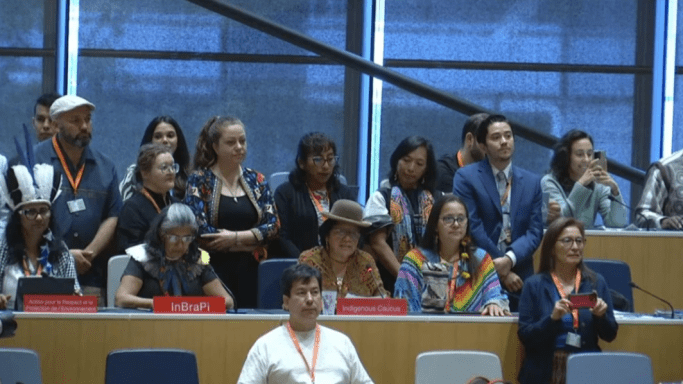
CBD COP16’s Complex Challenges & Conclusion

The conference concluded unexpectedly when countries could not reach an agreement on establishing a new fund during an extensive 10-hour final plenary session that went all night and past dawn on the morning of 2 November. Delegates engaged in intense discussions late into the night, trying to address the numerous items on the agenda.
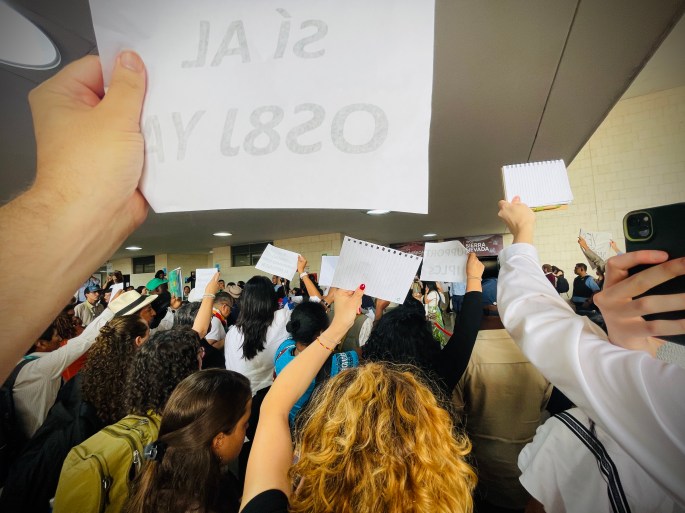
Digital Sequence Information Poses Risks to Indigenous Peoples’ Rights and Biodiversity

this Q+A with Air trust member katie lee riddle (rongowhakaata) was originally published by cultural survival (10/10/24) KatieLee Riddle descends from the Iwi of Rongowhakaata on the East Coast of New Zealand’s North Island. She is a Māori researcher at Te Kotahi Research Institute, an interdisciplinary research hub based at the University of Waikato in … Continue reading Digital Sequence Information Poses Risks to Indigenous Peoples’ Rights and Biodiversity

Reflections from the WIPO GRATK Treaty Negotiations

Manu Caddie provides some reflections on two weeks of rugged negotiations after 25 years of work towards a global Treaty to protect the rights of Indigenous peoples and prevent biopiracy.  The global Intellectual Property (IP) system supposedly protects inventions and incentivises individuals, companies and countries to invest in creating new things. Patents, trademarks/brands, copyrighted artistic … Continue reading Reflections from the WIPO GRATK Treaty Negotiations

Benefit sharing: Why inclusive provenance metadata matters

In the realm of genetic resources, the principles of fair and equitable benefit sharing are paramount, especially under the framework of the Nagoya Protocol. A paper co-authored by Aotearoa Indigenous Rights Trust member Katie Lee Riddle was recently published on the importance of including the source of metadata used in research and commercial contexts. The … Continue reading Benefit sharing: Why inclusive provenance metadata matters